Water Damage Help in the San Luis Valley
Water Damage Restoration in Alamosa, CO
Water in your home or business? Call to describe the damage, check provider availability, and learn what to do next.
Water Damage Restoration for Alamosa Homes and Businesses
Alamosa Water Damage Restoration connects property owners with independent restoration providers. Tell us where the damage happened and whether water is still coming in so we can check the next available option.
A burst pipe, leaking appliance, or water entering through the foundation can leave moisture in floors, walls, or insulation. Tell the provider where you first saw water and which rooms share the same floor or wall.
Living in the San Luis Valley means dealing with conditions that can make water problems especially frustrating. Winter temperatures can freeze exposed plumbing, seasonal snowmelt can contribute to moisture around buildings, and older homes may have materials that need careful handling when wet. When you call, we ask about the source of the water, the extent of the damage, and what needs attention first.
How the Referral Works
Alamosa Water Damage Restoration is a referral service that connects property owners with independent restoration providers. When you're standing in a wet kitchen, looking at a stained ceiling, or wondering whether water has reached the subfloor, you need useful answers. Tell us what got wet, where the property is, and whether the water is still coming in. The provider you are connected with assesses the damage, quotes the work, and performs only what you authorize.
The San Luis Valley shapes what a provider needs to know. Buildings in and around Alamosa face cold winters, dry outdoor air, seasonal weather changes, and a wide range of construction styles. A house near downtown Alamosa may have different moisture concerns from a rural property outside town. Those differences are why we ask for the address, the building type, and how the water got in before checking provider availability.
More about us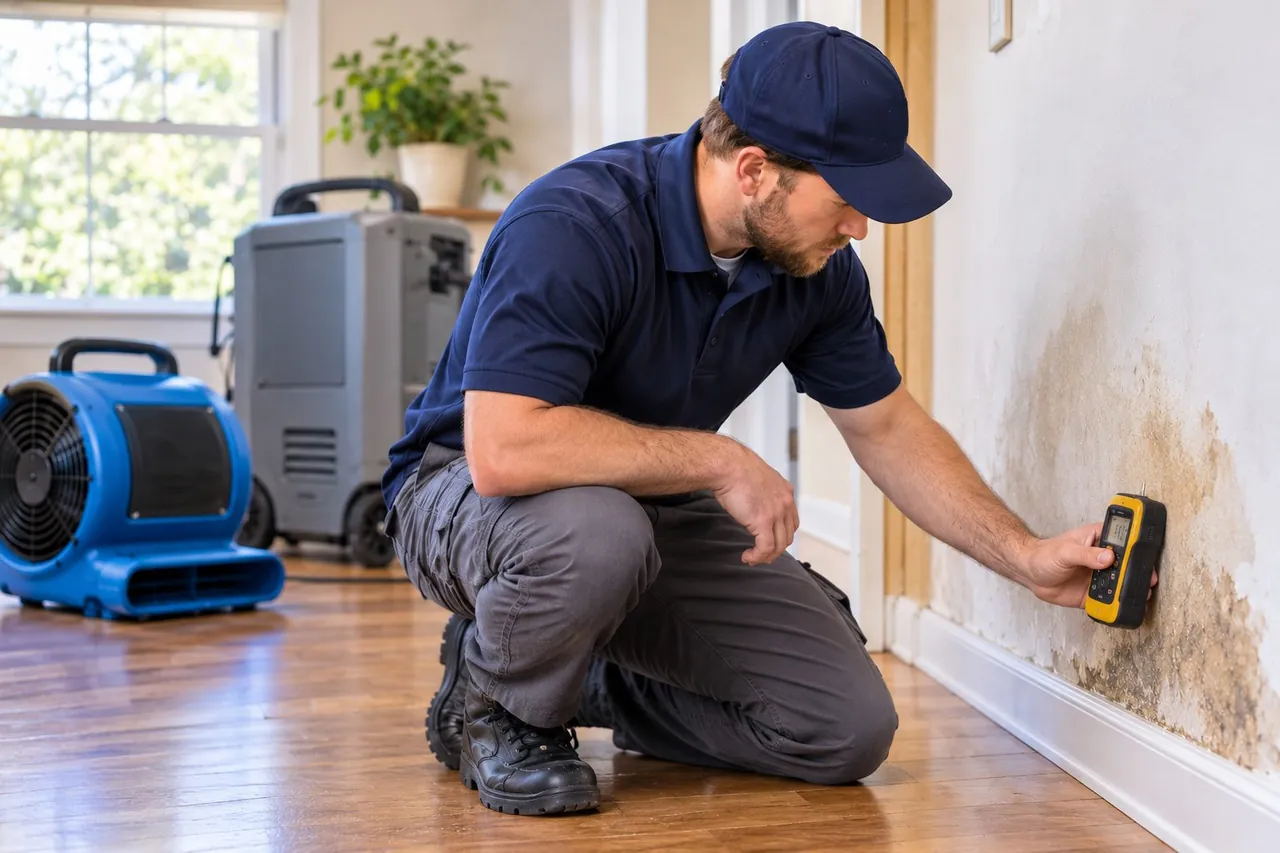
Our Services
Requests fall into two connected services: water damage restoration and water mitigation. Water mitigation focuses on limiting damage after water enters a property, while restoration addresses the drying, material assessment, and recovery work needed afterward. Together, these services help property owners move from the first discovery of water toward a clearer recovery plan.
Water Damage Restoration
Restore water-affected spaces with careful assessment, structural drying, and a practical recovery plan.
Water Damage Restoration guide →Water Mitigation
Limit spreading moisture and additional property damage with prompt water removal and drying measures.
Water Mitigation in Alamosa →Common Causes of Water Damage in Alamosa
Frozen and Burst Pipes
Alamosa winters can bring extended periods of freezing weather. Plumbing in unheated spaces, crawl spaces, exterior walls, garages, or poorly insulated areas may be especially vulnerable. Sometimes a frozen pipe does not release water until temperatures rise and the ice begins to thaw.
If you suspect a broken pipe, shut off the water supply when you can safely reach the valve. Avoid entering areas with electrical hazards, and contact the appropriate utility or emergency professional if the situation is dangerous.
Appliance and Plumbing Leaks
Water heaters, refrigerators, dishwashers, washing machines, sinks, and toilets can all release water unexpectedly. Even a slow supply-line leak can damage cabinets, flooring, wall cavities, and nearby rooms before anyone notices it.
A small stain or soft area in the floor can be a sign of a larger moisture problem underneath. Identifying the leak and checking nearby materials helps determine whether drying or additional work is necessary.
Basement and Crawl Space Moisture
Water can enter below-grade spaces through foundation openings, drainage problems, plumbing failures, or changing ground moisture conditions. Crawl spaces may hold moisture in soil, insulation, framing, or vapor-control materials.
A wet crawl space deserves attention even if the living area looks dry. Moisture beneath the floor can affect building materials and create conditions that require further investigation.
Roof Leaks and Weather-Related Water
Wind-driven precipitation, melting snow, damaged flashing, and roof openings can allow water into attics and ceilings. Water may follow framing before becoming visible far from the original entry point.
A discolored ceiling is not enough to reveal the full extent of the problem. The source needs to be addressed, and affected materials need to be evaluated before finish repairs begin.
What Happens During Water Damage Restoration?
The process starts with understanding the situation. Where is the water coming from? Is the source still active? Are any rooms unsafe? How long have the materials been wet? These details help establish priorities.
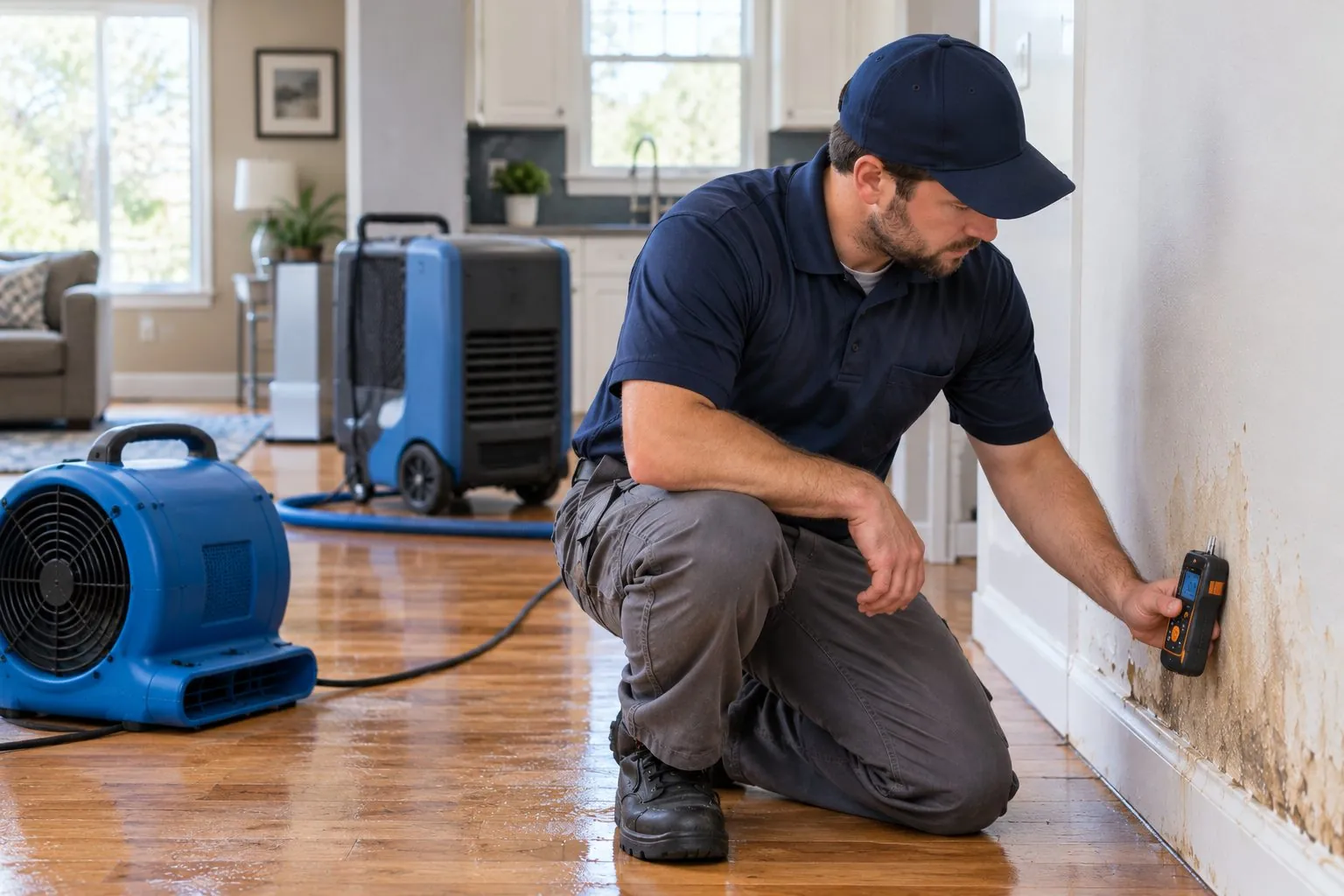
Next comes an assessment of affected areas. Depending on the conditions, this may involve checking accessible surfaces, examining likely moisture pathways, and using suitable moisture-measurement methods. The goal is to determine which areas need attention without making unnecessary assumptions.
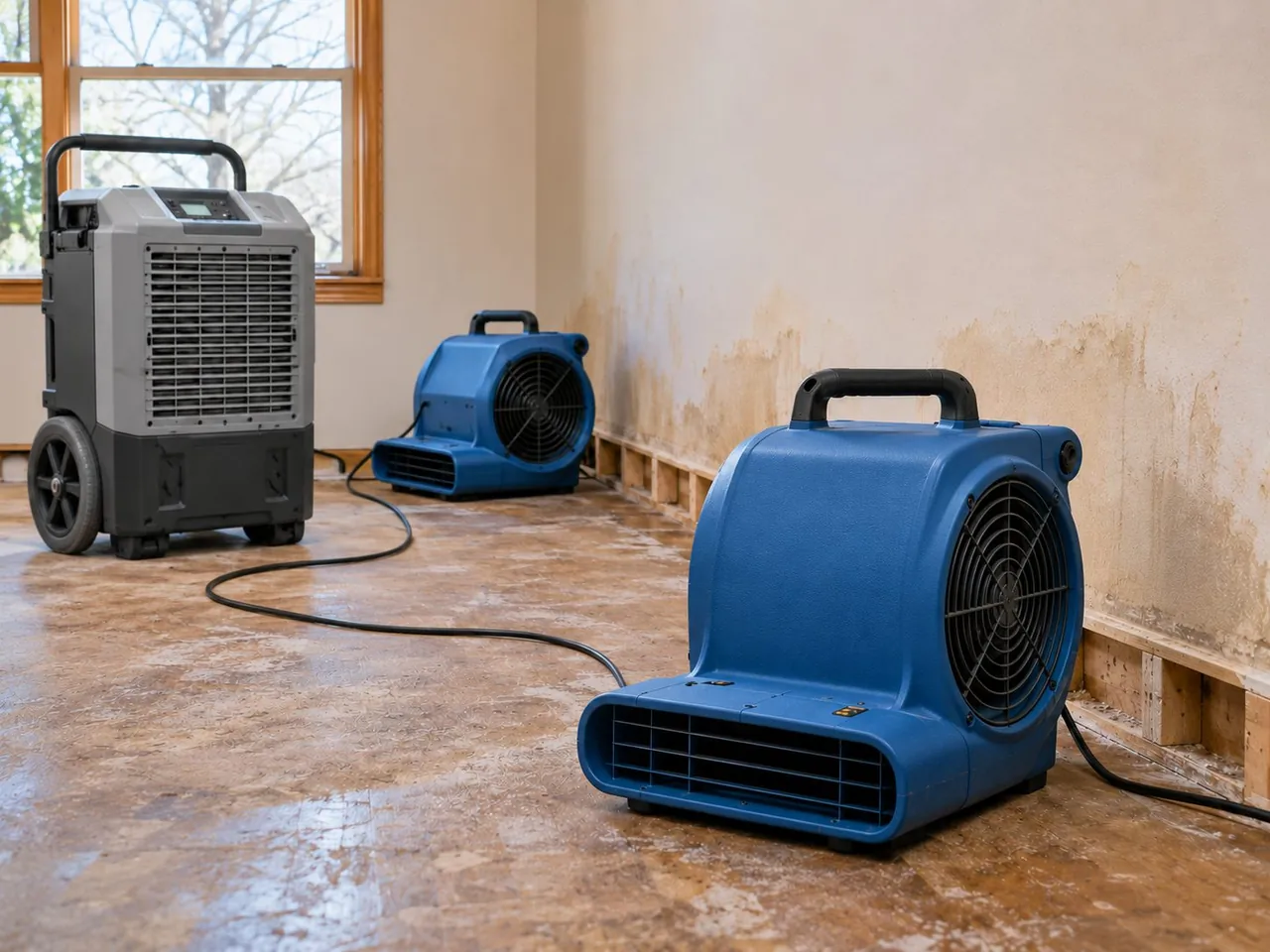
When standing water is present and conditions permit safe work, removal is generally an early priority. Drying may involve air movement, dehumidification, controlled access to wet materials, and repeated moisture checks. The equipment and methods depend on the building and the damage.
Restoration planning also includes deciding whether materials can be dried in place or should be removed. Water from a clean supply line is different from sewage or floodwater. Contamination, material deterioration, and the time water has been present can change what is appropriate.
Ask the provider why a particular step is being considered, what is known about the affected area, and what still needs to be evaluated.
Why Drying Matters Even in a Dry Climate
The San Luis Valley is known for its dry air, but outdoor conditions do not guarantee that a wet building will dry correctly on its own. Moisture can remain trapped beneath flooring, inside walls, behind cabinets, and within insulation even when the room feels comfortable.
Opening a window or turning on a household fan may not be enough. Effective structural drying depends on moisture movement, temperature, humidity, airflow, and the materials involved. Some assemblies dry slowly because water cannot escape easily.
There is also a difference between a surface looking dry and a material reaching an appropriate moisture condition. Drying decisions should be based on the actual situation, not appearance alone.
Water Damage Restoration Cost
Budgeting for water damage in the San Luis Valley? A small, one-room clean-water cleanup might run $500–$1,500. Published Colorado examples put several affected rooms at $1,500–$5,000. Major losses involving demolition or rebuilding can reach $5,000–$20,000 or more. These are planning ranges for comparing scope. A provider can quote the work after assessing the property.
See the cost breakdown and published sources.
The cost depends on how much of the building got wet, how long the moisture was present, whether the water was contaminated, and which materials can be dried in place. Standing water removal, equipment and monitoring, removal of damaged materials, and repairs can be separate line items.
Ask the provider for a written scope that identifies the affected rooms, includes any equipment rental or monitoring charges, and explains which repairs are included. If you plan to file an insurance claim, ask your insurer what records it needs and what your policy covers.
Understanding Water Damage and Insurance
Some sudden water incidents may fall under property insurance coverage, but coverage depends on the policy, the source of the water, exclusions, and the circumstances. Gradual leaks, outside flooding, maintenance-related problems, and sewer backups may be treated differently.
Property owners should notify their insurer or insurance agent promptly when a potentially covered loss occurs. It can help to photograph the affected areas, save relevant information about the incident, and keep records of work performed and expenses incurred.
Restoration work and insurance claim decisions serve different purposes. A restoration assessment concerns the physical condition of the building. Your insurer determines coverage under the policy. Keep clear records and talk directly with your insurer so you can make informed choices.
Water Damage Restoration Across the San Luis Valley
Referral requests are centered on Alamosa and cover 20 more communities across Alamosa, Rio Grande, Saguache, Conejos, and Costilla counties. These communities share the broader San Luis Valley climate, but their buildings and local conditions are not identical.
In Monte Vista, established residential blocks include older cottages and period homes where concealed wall spaces, original materials, and past renovations can complicate moisture assessment. In and around Crestone, rural properties, seasonal occupancy, mountain-edge weather, and varied water systems may influence how a water problem is discovered and addressed.
Each request starts with the property itself. Whether the affected building is a family home, rental, workshop, or small commercial space, the first task is understanding what happened rather than assuming every water problem requires the same solution.
When to Ask for Water Damage Help
You do not need to see a flooded room to have a moisture problem worth investigating. A persistent musty smell, damp baseboards, peeling finishes, a swollen cabinet, darkened drywall, or flooring that begins to buckle may indicate water has reached materials outside the visible area.
Water near electrical equipment, sewage-contaminated water, and areas with structural instability call for special caution. Do not enter unsafe spaces or handle contaminated material without appropriate protection. For immediate threats to life or safety, contact emergency services.
If the situation is safe but you are unsure how far the water has spread, explain what you have noticed and where it began. A practical assessment can help determine what needs attention.
Serving Alamosa and Nearby Communities
Alamosa is the center of our referral area within the San Luis Valley. Each town below has its own page, because property layouts, construction styles, and water risks differ across the Valley.
Before arranging work, confirm the property location, describe the affected areas, and explain whether the water source is still active. That information helps establish an appropriate next step.
See all service areasBrowse the Valley service area directory for location details, or go straight to a town:
Alamosa County: Mosca, Hooper.
Rio Grande County: Monte Vista, Del Norte, South Fork.
Saguache County: Center, Crestone, Saguache, Moffat, Villa Grove.
Conejos County: La Jara, Manassa, Sanford, Romeo, Antonito, Capulin.
Costilla County: Fort Garland, Blanca, San Luis, Jaroso.
Official flood and emergency resources
Check mapped flood hazards for an address on the FEMA Flood Map Service Center. For cleanup after outside flooding, read the EPA’s flooded homes cleanup guidance. Local emergency notices come from the Alamosa County Office of Emergency Management and the Conejos County Office of Emergency Management. County-by-county natural hazards are covered in the San Luis Valley Regional Hazard Mitigation Plan annexes.
Why Choose Alamosa Water Damage Restoration?
Plain questions
We ask plain questions about the damage so the provider gets the details that matter.
Attention to hidden moisture
We ask about flooring, wall cavities, and other areas beyond the visible puddle so the provider knows to check them.
Local conditions matter
Requests are matched with San Luis Valley winters, building differences, and travel distance in mind.
Practical priorities
We ask about safety and the water source first, before anything else.
Clear disclosure
You decide whether to hire the provider. We may be paid when a referral leads to work, as our referral disclosure explains.
What People Ask Us
What should I do first if my house has water damage?
Make sure the area is safe and stop the water source if you can do so without risk. Avoid electrical hazards and contaminated water. Then document the damage and arrange an assessment of the affected materials.
Can a frozen pipe cause damage after it thaws?
Yes. A pipe may crack while frozen, but water may not escape until the ice melts. Check vulnerable plumbing after a freeze and shut off the supply if a leak appears.
How long does water damage restoration take?
The timeline depends on the amount of water, the affected materials, the extent of contamination, and how much repair work is necessary. Drying and rebuilding may involve separate stages. An assessment helps establish a more useful timeline.
Does homeowners insurance cover water damage?
Some sudden and accidental water losses may be covered, but policies differ. Flooding, gradual leaks, and certain backups may have separate limitations or exclusions. Your insurance provider can explain the coverage that applies.
Get Help With Water Damage
Tell us about the water damage at your Alamosa property and what concerns you most.
Free — no obligations